
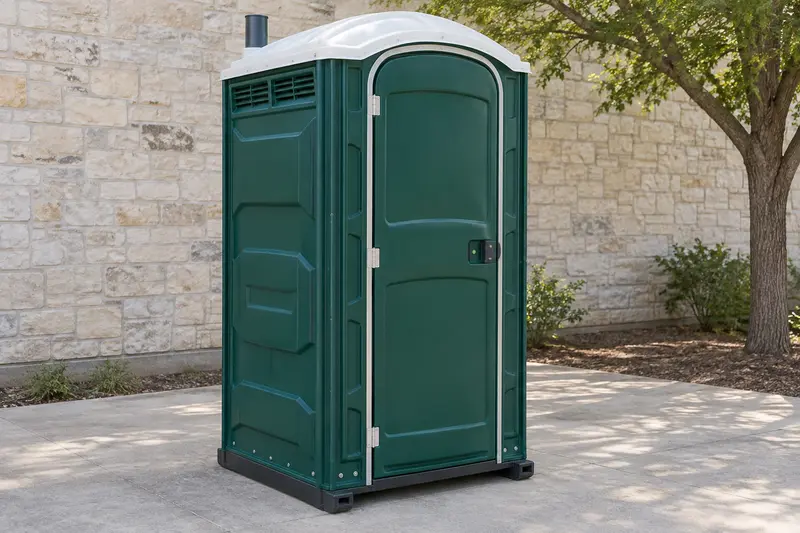
What a standard cabin is for
Think of this as a self-contained toilet space, not a substitute for an entire permanent bathroom. It can serve a work crew, a household during bathroom repairs or a gathering without convenient indoor facilities. The useful starting point is how many people will actually rely on it and for how long each day.
Ask which features are fitted to the proposed unit. A toilet-paper holder or sanitiser dispenser does not mean a running-water sink is included. If people need to wash their hands, include a separate washing arrangement in the discussion.
Choose a place people can use
The door should open into a clear approach, not a delivery lane or a pile of materials. Look at the walking route from the work area as well as the delivery route from the street. A unit that fits an empty corner may still be awkward to reach after vehicles arrive.
Explain the surface, gate and any changes expected during the rental. The service vehicle needs a workable approach on later visits too. Do not move a placed unit yourself to make space; contact the rental team to discuss relocation.
Keep the service plan proportionate
A cabin used occasionally at a home and one used throughout a crew’s shifts have different demands. Give the expected daily use, working days and rental period so the service arrangement can be discussed for that pattern. Let us know if the number of users increases.
Model, delivery timing, servicing and collection must be confirmed with the quote. An accessible cabin may be needed alongside standard units; compare the actual access needs instead of assuming one cabin style is suitable for everybody.